
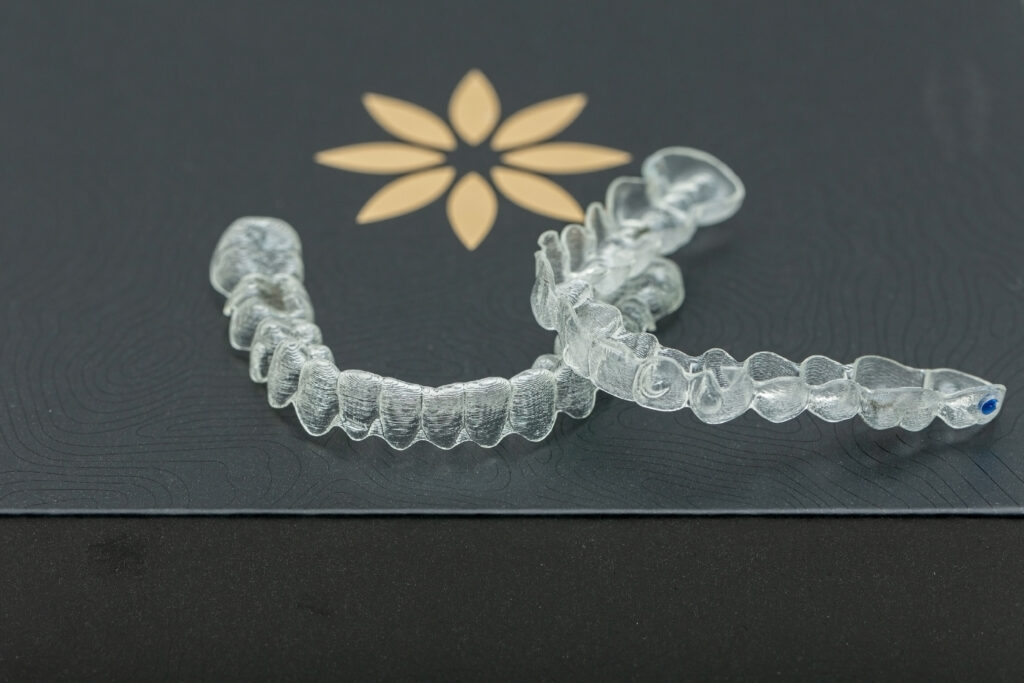
Choosing orthodontic treatment involves more than receiving a set of clear trays. Clear aligner therapy begins with assessing the position of the teeth and bite, developing a treatment plan, and determining whether the type of movement required is appropriate for aligners. Patients considering clear aligners in Brampton can benefit from understanding the steps that typically occur before, during, and after active treatment.
Step 1: The Initial Assessment
The first step is determining what needs to change and whether clear aligners are an appropriate way to accomplish it. The dentist examines the teeth, gums, bite, and overall oral health and discusses concerns such as crowding, spacing, rotations, or other alignment issues. Cavities, active gum disease, or other dental problems may need to be addressed before orthodontic movement begins.
Step 2: Digital Records and Treatment Planning
Clear aligner treatment requires an accurate record of the teeth and bite. Digital scanning technology can create a three-dimensional representation of the dental arches without relying solely on traditional impression materials. These records are used as part of planning the movements that may be required. Photographs or dental X-rays may also be used depending on the patient’s needs.
Step 3: A Series of Aligners Is Created
Once the treatment plan has been developed, a sequence of clear aligners is produced. Each set is designed to guide the teeth through part of the planned movement. Patients change aligners according to the schedule provided by their dentist rather than choosing when to move to the next set themselves.
Step 4: Consistent Wear Matters
One of the advantages of clear aligners is that they are removable, but that also means treatment relies heavily on patient cooperation. Aligners are normally removed for eating and for cleaning the teeth. They need to be worn for the amount of time directed by the treating dentist so that the planned forces are applied consistently.
Step 5: Follow-Up Visits Track Progress
Orthodontic treatment needs to be monitored. Follow-up visits allow the dentist to assess whether the teeth are responding as expected, check oral health, review aligner fit, and address questions or concerns. If movement differs from the original plan, additional scans, adjustments, or refinement aligners may sometimes be needed.

Step 6: Keep Teeth and Aligners Clean
Brushing and cleaning between the teeth remain important throughout treatment. Because aligners cover the tooth surfaces for much of the day, putting them back over food debris or sugary residue can create an unfavourable environment around the teeth. Patients should follow the cleaning instructions provided for both their teeth and aligners and continue regular preventive dental care during treatment.
Step 7: Retainers Help Maintain the Result
Finishing the last active aligner does not mean orthodontic care is finished. Teeth can gradually shift after treatment, so retainers are commonly used to help maintain their new positions. The type of retainer and recommended wear schedule depend on the patient and treatment plan.
Clear Aligner Treatment Is Individualized
Treatment duration, the number of aligners required, and the movements that can be accomplished differ from one person to another. Brampton Dental Studio provides Invisalign in Brampton as an orthodontic option for appropriate patients. If you are considering clear aligners, an assessment can determine whether they suit your particular alignment and bite concerns and what the treatment process would involve.